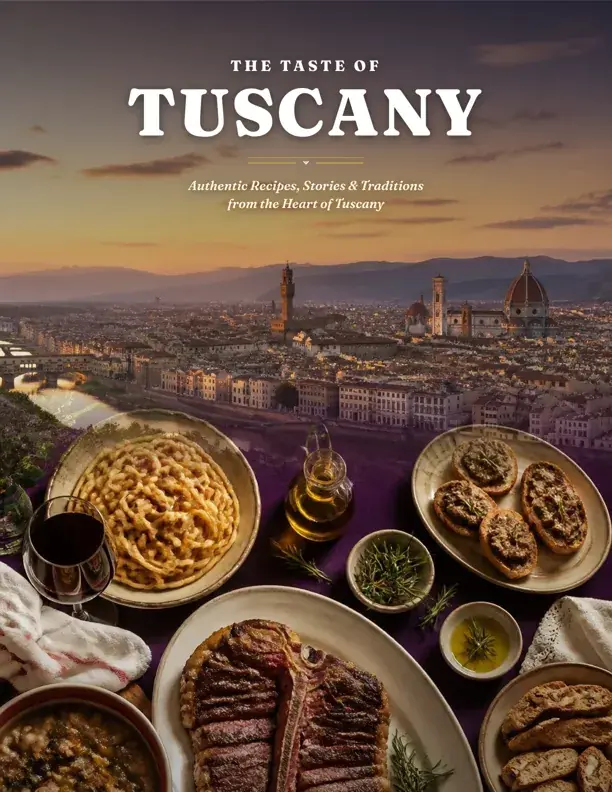
You invite them over. They're expecting pasta night. Nobody mentions it again.
You're a good cook. That's not the problem. Your friends just know your menu almost as well as you do. The lasagne. The roast. It's always good. It just isn't the one they talk about.
Then, one evening in Florence, a waiter brings a Bistecca alla Fiorentina to the table, charred outside and ruby inside, and slices it off the bone in front of everyone. A bottle of new olive oil goes round for the bread. Your whole table goes quiet.
You come home and try to make it. You find a recipe online, follow it to the letter, and it comes out… nice. Good, just not that.
The recipe wasn't wrong. It was copied from a recipe that was copied from a recipe, until everything that made it Tuscan was gone. The salt only after the fire. The bread baked without salt. The story your waiter told you while you ate.
The dish that makes a table go quiet was never on a blog. It was in a Tuscan farmhouse kitchen.
You don't need more recipes. You need the ones Tuscany actually cooks, and the stories that come with them.
Why Tuscany tastes like nothing else
A cuisine made by Etruscans, farmers and the Medici.
Tuscany fed Etruscan banquets, Roman legions and Renaissance princes. But its real genius was born in the farmhouses: bread, beans, olive oil and patience, turned into dishes so good the rest of the world copied them.
Ribollita, "boiled twice", rescued yesterday's bread. Pici were rolled by hand in Siena's hills because there was no money for eggs. Peposo, legend says, simmered in the kilns of Impruneta while the tiles for Brunelleschi's dome were fired.
Every dish has a story like that. Tell it as you serve, and your guests stop eating politely and start asking questions. It's half the pleasure of the evening.
Every recipe in the book comes with its story.
Get the cookbook — US$29.99
Your next dinner party, three weeks from now
The evening your friends won't forget.
7:30 in the evening.Glasses of Chianti, fettunta still warm from the grill and a board of finocchiona, pecorino and honey. Somebody asks why the bread tastes different. You tell them. Now they're listening.
8:15.The ribollita you made yesterday, better today, exactly as Tuscans say. Or a plate of hand-rolled pici.
9:00.The Bistecca, sliced on the board in front of everyone, with beans all'uccelletto and cavolo nero. The table goes quiet for the first time all night. Then cantucci and Vin Santo, and the story of why Tuscans dip the biscuits in the wine.
"Hang on. Where did you learn to cook like this?"
By the end of the week, someone has asked when you're doing it again.
It won't happen with every recipe on the first try, and we won't pretend it will. But the first time it does, you'll know exactly why, and you'll already be planning the next one.
From the Tuscan table
The ones guests ask about first
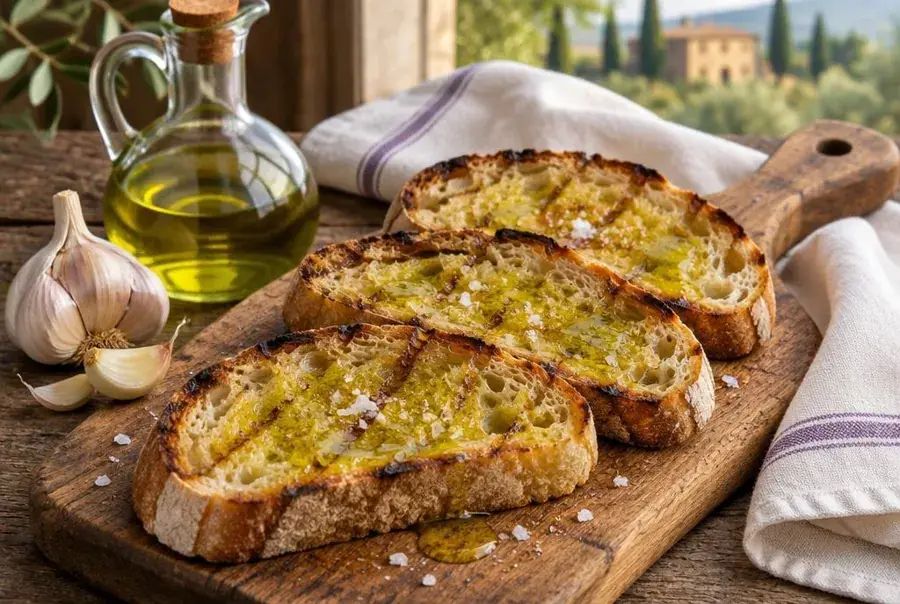
ANTIPASTI & BREADFettunta
Garlic toast drenched in new olive oil. The opening move of a Tuscan dinner.
Page 13
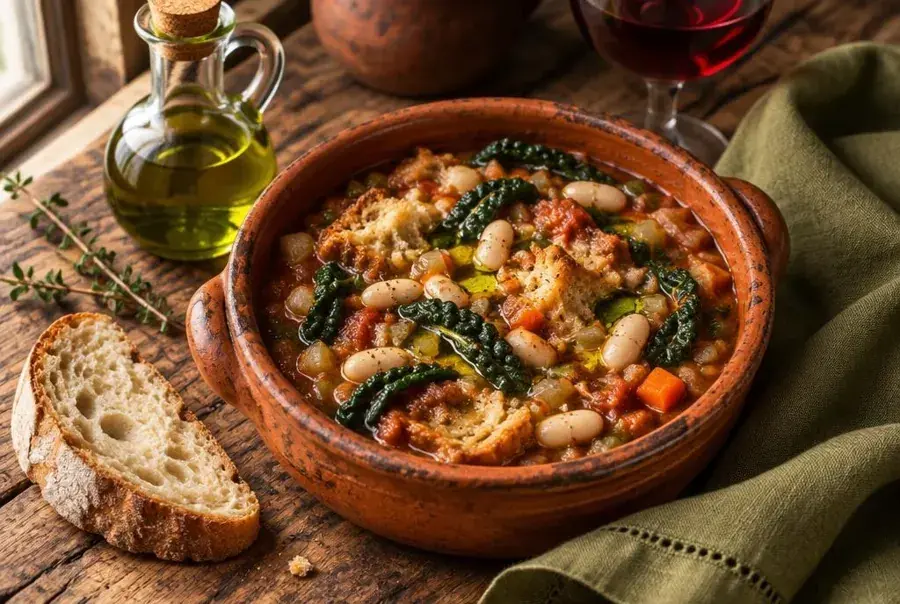
SOUPSRibollita
"Boiled twice": the bread and bean soup that is better the next day.
Page 31
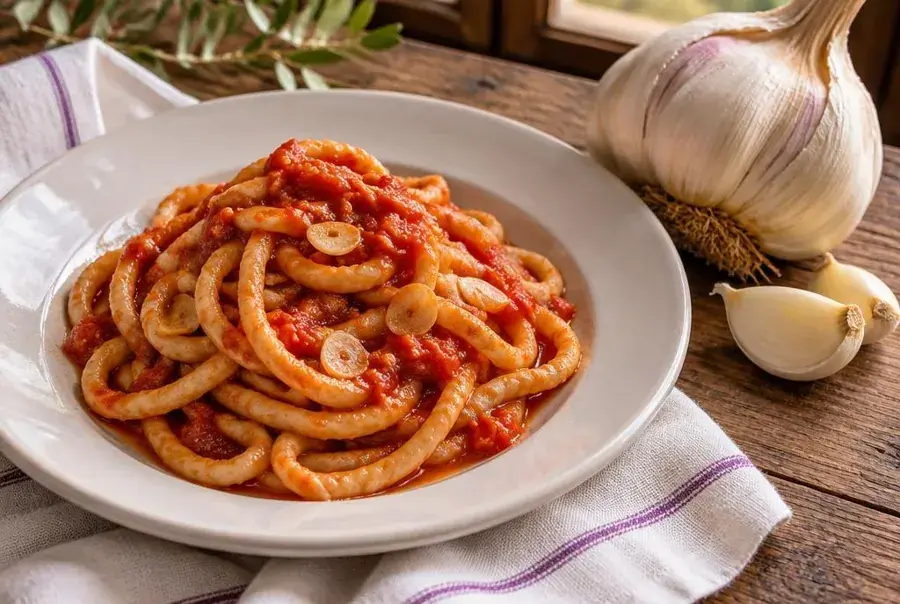
FIRST COURSESPici all'Aglione
Thick hand-rolled pasta from Siena's hills in a slow garlic and tomato sauce.
Page 48
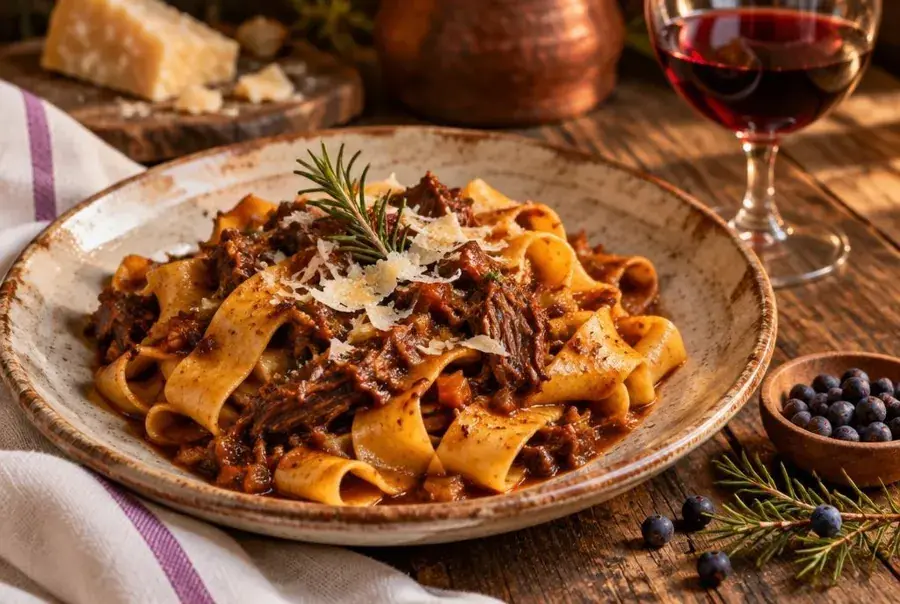
FIRST COURSESPappardelle al Cinghiale
The ragù of the Tuscan hunters, with a supermarket swap if you can't find wild boar.
Page 54
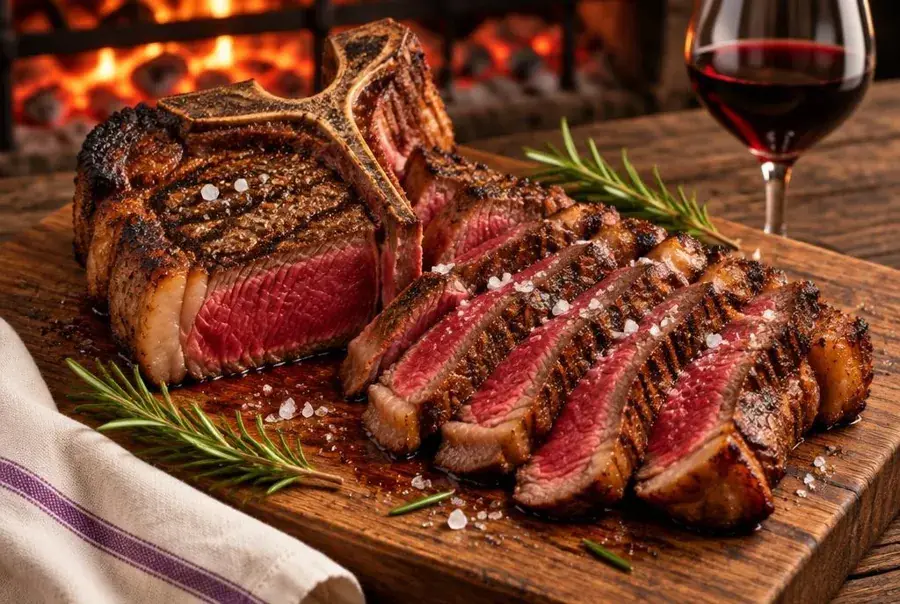
MAIN COURSESBistecca alla Fiorentina
Charred outside, ruby inside, sliced on the board in front of everyone.
Page 70
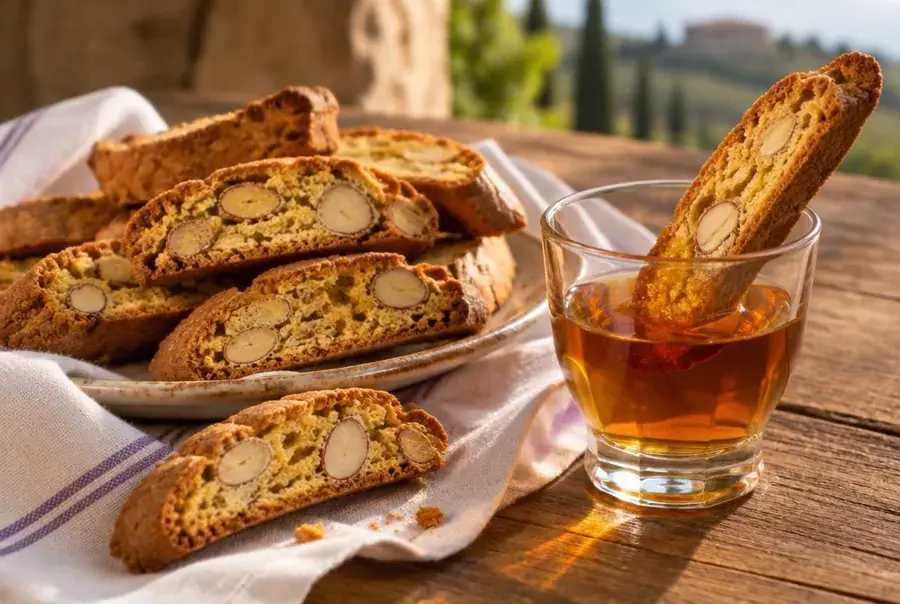
DESSERTSCantucci e Vin Santo
Almond biscuits dipped in sweet wine, and nobody wants to leave the table.
Page 105
Get the cookbook — US$29.99
VISAPayPal🔒 Secure checkout
Who makes these books
From the makers of The Taste of Sicily and The Taste of Naples
We make cookbooks about the regional cooking of Italy, written for people who cook it far from home. The Taste of Sicily came first, then The Taste of Naples. The Taste of Tuscany follows the same format.
These are the dishes Tuscan families actually cook: the bread soups of the farmhouses, the hand-rolled pici of Siena, the fish stews of Livorno, the steak of Florence. Each one is written the traditional way, with its most common variants, because in Tuscany every family has its own.
The history is told honestly, too. When something is legend, like the peposo and Brunelleschi's dome, the book says so.
We're a small publisher, and we answer every email ourselves.